The Long Story of Darjeeling
The story of Darjeeling begins not with grand proclamations but with quiet altitudes — slopes that first drew small communities who lived in the shade of rhododendron and pine, tending millet terraces and trading across high passes. For generations the land belonged to Lepcha and Tibetan-Bhutanese peoples who read the weather in the fold of hills and lived by the rhythm of the mountains.
Darjeeling entered wider maps in the 19th century when the British Empire sought a cool refuge from the plains. What began as a few huts and mahalas soon became a planned hill-station — a retreat for colonial officers and missionaries. Roads were carved into ridges, and bungalows rose where morning sunlight pooled.
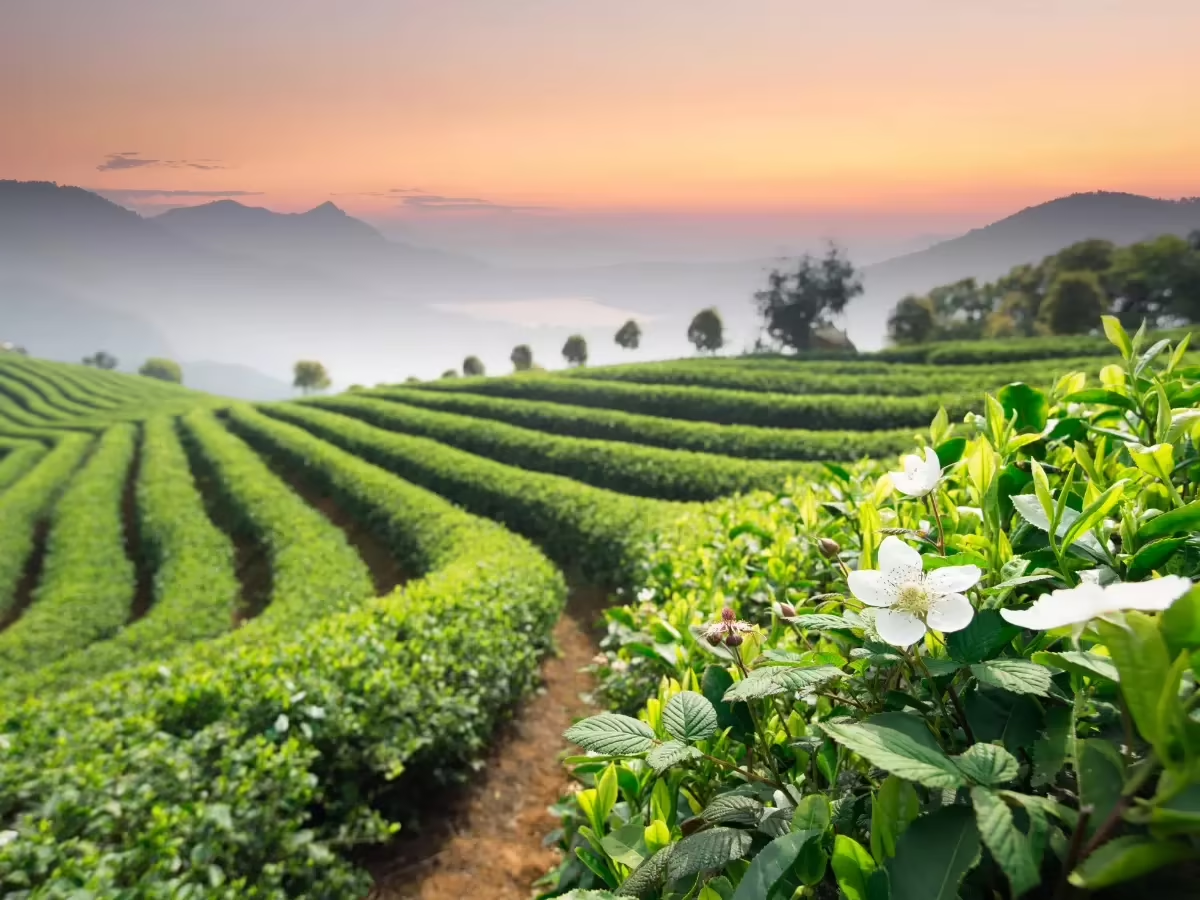
Tea changed everything. The hills, with their misty mornings and well-drained soils, gave birth to leaves that sang with floral notes and brisk strength. Plantations spread, reshaping both land and life. Yet, amid this, local villages endured — a quiet continuity beneath the estate lines.
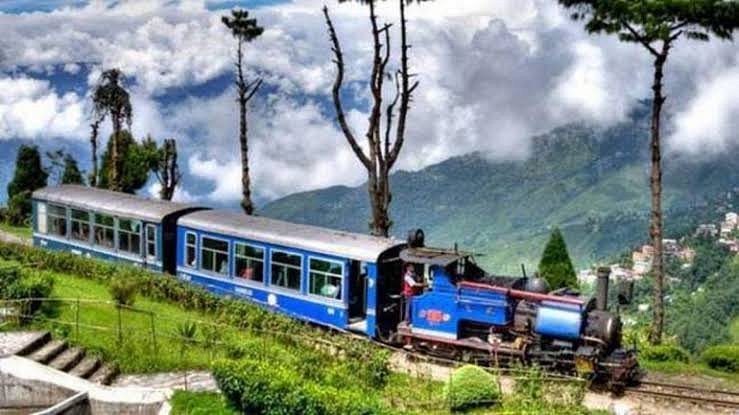
The hill’s cultural life blossomed too. Influences from Nepal and Tibet mingled in temples, music, and cuisine. Monasteries crowned the knolls, prayer flags brightened the skyline, and the “toy train” wound its way through the slopes, turning the journey itself into part of the romance.
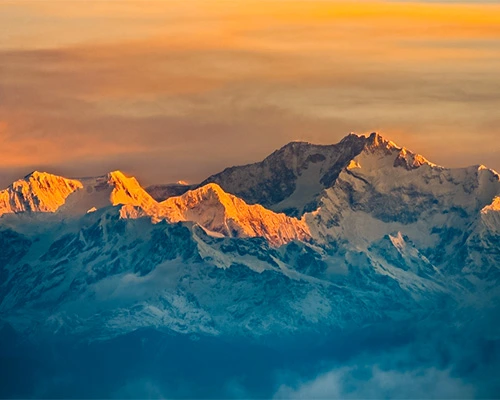
Today, Darjeeling is an interplay of memory and motion — colonial façades beside cafés, tea gardens beside craft stalls, and a mingling of Nepali, Tibetan, Bengali, and Anglo-Indian lives. Mornings invite stillness, afternoons unfold in unplanned conversations, and evenings glow under the watch of Kanchenjunga.
If Darjeeling has a single thread through its story, it is this: a place shaped by outsiders yet sustained by the hands and songs of its own people — a living landscape where history and daily life continue to weave the same enduring melody.Watch: A Short Glimpse of Darjeeling
The Story of Darjeeling
Darjeeling’s story begins in the quiet slopes once home to Lepcha and Tibetan-Bhutanese families who lived close to the forest and sky. In the 1800s the British discovered this cool plateau and transformed it into a hill-station — a refuge from the plains. Tea soon followed, reshaping every valley into a green mosaic of terraces and estate life.
With time, cultures blended — Nepali, Tibetan, Bengali, Anglo-Indian — forming a vibrant town of monasteries, schools, music, and mountain trains. The iconic Darjeeling Himalayan Railway brought the rest of the world to its doorstep, while Kanchenjunga stood watch as the town’s eternal backdrop. Today, despite its colonial origins, Darjeeling remains proudly local — a town of tea workers, artists, guides, and dreamers who live by the rhythm of the clouds.
Top Places to Visit
- Tiger Hill — Famous for its spectacular sunrise views over the snow-capped Kanchenjunga range, and on clear mornings, even the distant peak of Mount Everest. Arrive early to witness the sky turn from indigo to gold as the mountains glow in the first light — an unforgettable Darjeeling experience.
- Batasia Loop — A marvel of railway engineering where the toy train makes a graceful loop around a manicured garden. The site also features a Gorkha War Memorial and sweeping 360° views of the surrounding valleys, perfect for photography and quiet reflection.
- Happy Valley Tea Estate — One of the oldest tea estates in Darjeeling, it offers guided tours through lush plantations where visitors can see the process of tea production — from leaf plucking to aroma testing — and enjoy tasting some of the world’s finest blends straight from the source.
- Ghoom Monastery & Peace Pagoda — The Yiga Choeling Monastery at Ghoom, with its ancient Maitreya Buddha statue and fluttering prayer flags, radiates calm. Nearby, the gleaming Japanese Peace Pagoda on Jalapahar Hill offers panoramic views and a moment of meditative silence amid clouds and pine.
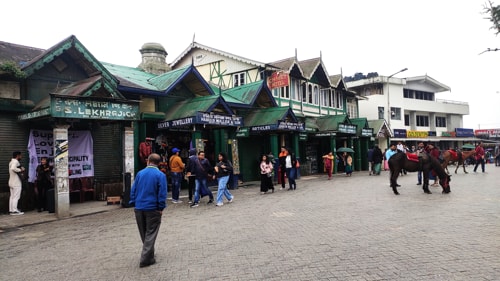
- Chowrasta & The Mall — The social heart of Darjeeling, lined with cafés, curio shops, and bookstores. It’s the perfect place to stroll, sip a cup of steaming local tea, watch ponies pass, or simply absorb the relaxed rhythm of hill life under the watchful gaze of Kanchenjunga.
- Darjeeling Himalayan Railway (Toy Train) — A UNESCO World Heritage marvel, this narrow-gauge train winds through misty forests, sleepy hamlets, and sharp bends. Riding it from Darjeeling to Ghoom is like stepping into a living postcard.
- Padmaja Naidu Himalayan Zoological Park — Home to rare high-altitude wildlife such as the red panda, snow leopard, and Himalayan wolf. The park focuses on conservation and offers an educational glimpse into Himalayan biodiversity.
- Himalayan Mountaineering Institute (HMI) — Established in honor of Tenzing Norgay after the 1953 Everest ascent, HMI showcases mountaineering gear, artifacts, and history, inspiring adventurers with stories from the roof of the world.
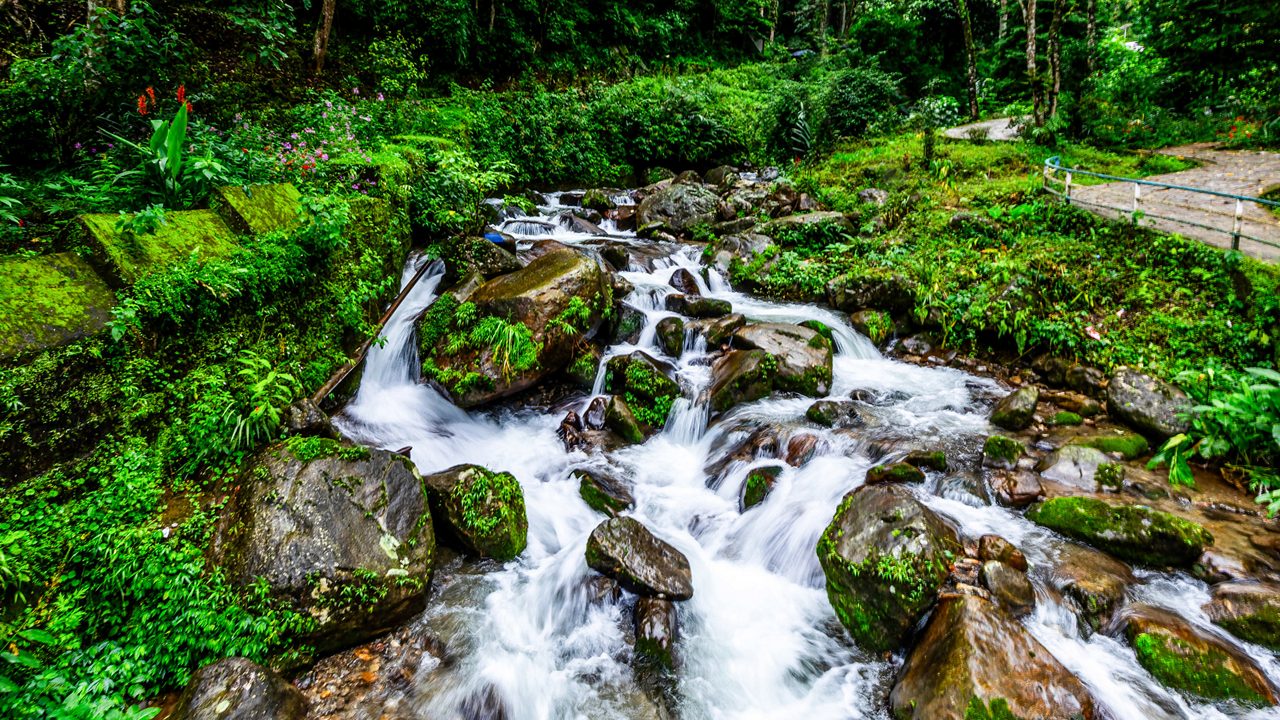
- Rock Garden & Ganga Maya Park — A terraced garden carved into the hillside with waterfalls, stone pathways, and picnic spots. Just a few kilometers from town, it’s an ideal place for family outings and short drives.
- Lamahatta Eco Park — A tranquil eco-tourism spot surrounded by pine forests and prayer flags. The park’s hilltop viewpoint offers a breathtaking sight of the Kanchenjunga range and the Teesta River valley below.
How to Reach from Kolkata
By Air: Fly to Bagdogra Airport, then a scenic 3-hour drive uphill to Darjeeling.
By Train: Take an overnight train to New Jalpaiguri (NJP), then connect by cab or shared jeep.
By Road: A long 12–15 hour drive from Kolkata, best avoided unless on a planned road trip.
“The hills answer in a voice that is mostly sky.”
When to Visit
March–May and October–November offer clear skies, cool breezes, and stunning visibility. Winters are quiet and cold; monsoon months (June–Sept) bring heavy rain and mist — photogenic but less ideal for travel.
Gallery

Stay & Travel Tips
Choose hillside cottages or tea-bungalow stays for quiet mornings. Pack warm layers even in summer; mountain evenings turn cold. Respect local customs in monasteries and avoid littering on hiking routes.