The Story of Kolkata
Once the capital of British India and now the cultural capital of the country, Kolkata is a city that breathes art, literature, and nostalgia. It’s where tram bells mingle with Rabindra Sangeet, colonial-era mansions stand beside bustling street markets, and every corner tells a story that bridges past and present.
Founded along the banks of the Hooghly River, Kolkata grew into a global center of commerce, art, and ideas. From the iconic Howrah Bridge to the marble-white Victoria Memorial, the city’s skyline is both historic and poetic. Yet, its true charm lies not in monuments, but in the warmth of its people — the “Adda,” the laughter, and the endless cups of cha shared on roadside stalls.
Kolkata is often called the City of Joy, and for good reason — it celebrates everything with unmatched passion. Be it the grandeur of Durga Puja, the excitement of a Mohun Bagan match, or the quiet dignity of College Street’s old bookshops, the city’s heart beats to the rhythm of emotion and intellect alike.
Watch: Kolkata in Motion
Top Places to Visit
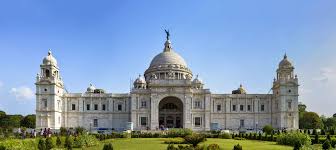
- Victoria Memorial — The crown jewel of Kolkata’s heritage, this gleaming white marble structure was built between 1906 and 1921 in memory of Queen Victoria. Today, it houses one of the city’s finest museums featuring British-era paintings, sculptures, and artifacts. Stroll through the manicured gardens at sunset to see the monument glow in golden light — a sight every traveler remembers.
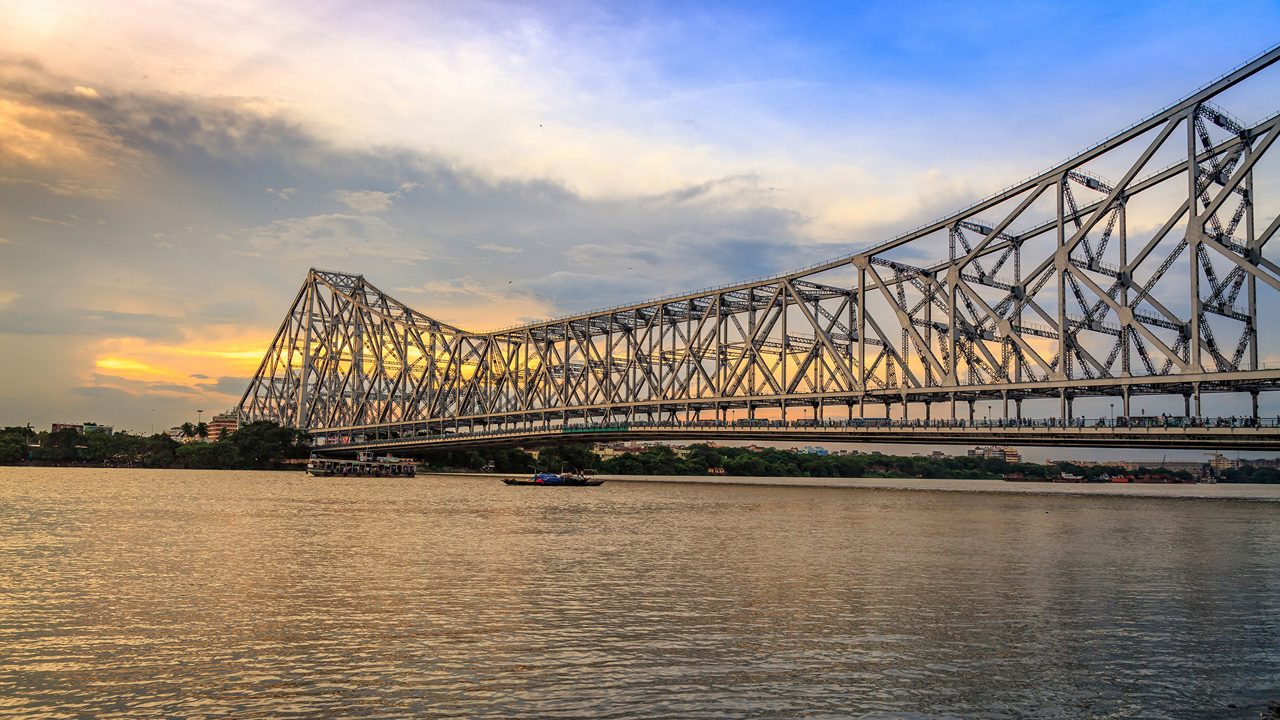
- Howrah Bridge (Rabindra Setu) — More than just a bridge, it’s a symbol of Bengal’s resilience and identity. Built without a single nut or bolt, this cantilever wonder stretches across the Hooghly River, carrying millions daily. Take a ferry ride from the Howrah jetty or watch the sunrise from Princep Ghat for the most breathtaking views.
- Indian Museum — Founded in 1814, the Indian Museum is not just India’s oldest but also one of Asia’s most comprehensive museums. With over 35 galleries, it exhibits everything from Mughal miniatures and ancient Buddhist relics to an actual Egyptian mummy and dinosaur fossils — a paradise for history lovers and curious minds.
- Kalighat Temple — One of the holiest Shakti Peethas in India, Kalighat Temple attracts thousands of devotees every day. The shrine, dedicated to Goddess Kali, is believed to be where the toes of Sati fell. The narrow lanes leading up to the temple are filled with flower markets, incense stalls, and the hum of devotion that gives old Kolkata its spiritual pulse.
- Park Street — Often called the “Street that Never Sleeps,” Park Street is the epicenter of Kolkata’s nightlife and dining culture. From vintage jazz at Trincas to sizzling kebabs at Peter Cat and the Christmas lights that turn the avenue into a fairyland each December — Park Street perfectly blends nostalgia with modern flair.
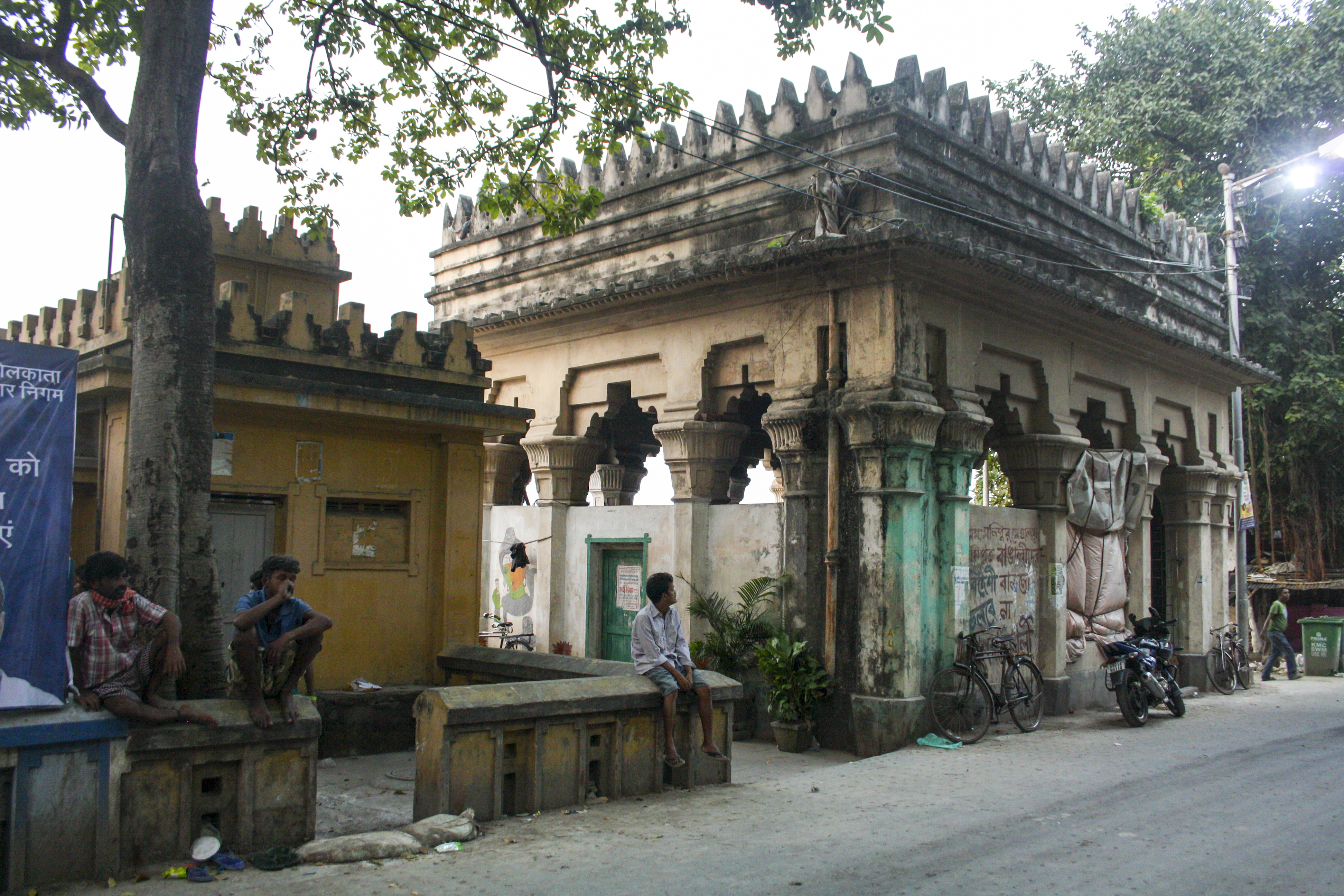
- Kumartuli — Nestled on the northern banks of the Hooghly, this centuries-old potters’ colony is where Kolkata’s soul takes shape — literally. Watch artisans sculpt Durga idols out of clay from the riverbed, painting them with care and devotion. The best time to visit is a few weeks before Durga Puja when the lanes come alive with artistic energy and anticipation.
- College Street & Indian Coffee House — The intellectual hub of Bengal, College Street is lined with bookshops — some over a century old — selling everything from rare first editions to textbooks at throwaway prices. Stop by the legendary Coffee House nearby, where poets, professors, and thinkers have gathered for decades over endless cups of coffee and “adda.”
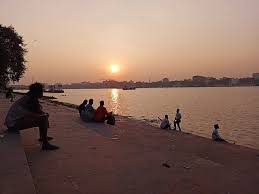
- Princep Ghat — A riverside promenade built during British rule, this neoclassical gem is one of the most romantic spots in the city. Watch ferries glide past under the illuminated Vidyasagar Setu as you sip tea from clay cups — a quintessential Kolkata experience.
- South Park Street Cemetery — A tranquil heritage site that dates back to the 18th century, filled with moss-covered tombs and Gothic architecture. It’s an atmospheric place that blends history, art, and nature — perfect for photographers and history buffs.
- Eco Park (New Town) — Modern Kolkata’s pride, Eco Park is a massive urban green space spread over 480 acres with themed gardens, boating, cycling, and a miniature recreation of the Seven Wonders of the World. A great place for families and evening strolls.
- Marble Palace — A hidden gem in North Kolkata, this opulent mansion is still owned by the descendants of the Tagore family. Inside, you’ll find European sculptures, chandeliers, and artworks by Rubens and Reynolds — a peek into Bengal’s aristocratic past.
- Mother House — The global headquarters of the Missionaries of Charity, this humble space preserves the memory and legacy of Saint Mother Teresa. Visitors can see her tomb and the simple room where she lived — an inspiring reminder of compassion and humanity.
- Science City — One of the largest science centers in India, Science City combines fun and learning with interactive exhibits, a 3D theater, ropeway rides, and a dynamic Earth Exploration Hall that attracts families and school groups alike.
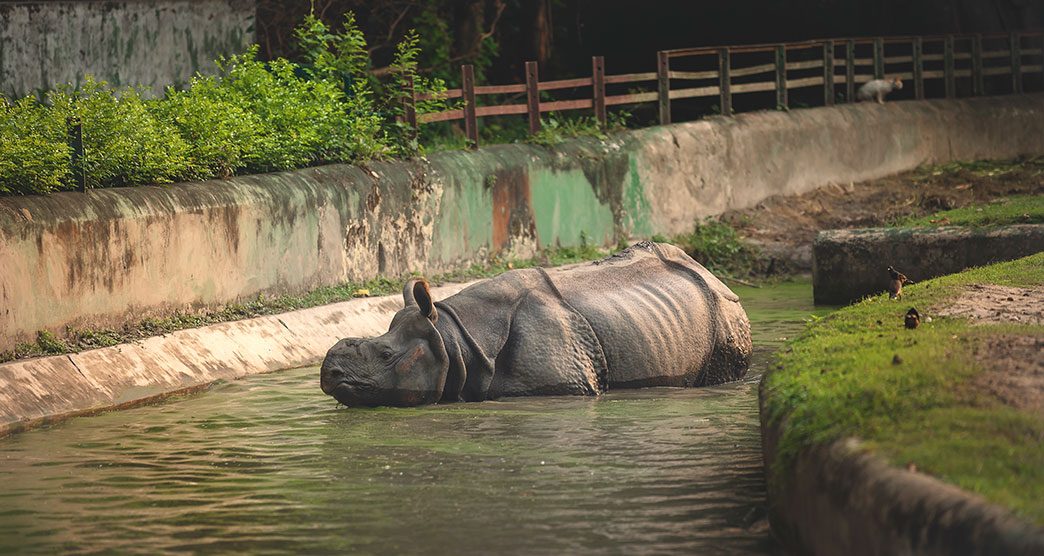
- Alipore Zoo — India’s oldest zoological park, home to the majestic white tiger, elephants, and colorful aviaries. Winter is the best time to visit, with lush greenery and lively animal enclosures.
How to Reach
By Air: Netaji Subhas Chandra Bose International Airport (CCU) connects Kolkata to major Indian and international cities.
By Train: Howrah and Sealdah are two of India’s busiest rail terminals, offering excellent connectivity across the country.
By Road: Well-connected via NH16 and NH19. Buses, private cabs, and self-drives from nearby towns like Digha, Santiniketan, or Mandarmani are convenient.
“Kolkata isn’t a city you just visit — it’s a feeling that lingers, like the aftertaste of sweet rosogolla and the echo of evening bells from Dakshineswar.”
When to Visit
October to February is perfect for sightseeing and festivals, especially Durga Puja in autumn. Summers (April–June) can be humid, while monsoons bring romantic showers that drape the city in a reflective calm.
Gallery

Food & Experiences
No trip to Kolkata is complete without indulging in its legendary food and timeless charm. Begin your morning with a traditional kachori-sabzi breakfast in the bustling lanes of North Kolkata, followed by a glass of hot cha served in clay cups. For lunch, nothing beats the fragrant Kolkata biryani from Arsalan or Shiraz — aromatic rice, tender meat, and that unmistakable touch of aloo that makes it uniquely Bengali. In the evening, grab a kathi roll from Nizam’s or Kusum Roll Centre on Park Street — a bite of pure nostalgia wrapped in flaky paratha.
If you have a sweet tooth, Kolkata will spoil you endlessly. Taste the melt-in-your-mouth rosogolla, the creamy mishti doi (sweet curd), and the delicate sandesh made from fresh chhena and jaggery. For something truly local, try chhanar payesh or nolen gur sweets during winter — rich, earthy, and unforgettable.
Beyond food, Kolkata invites you to slow down and experience life as the locals do. Take a ride on the city’s vintage trams that still glide through tree-lined streets, echoing the rhythm of a bygone era. Spend an evening at Nandan or Academy of Fine Arts to watch a play or an independent film — the city’s cultural heartbeat. Walk along the Hooghly River at sunset, from Princep Ghat to Babughat, watching ferries and the silhouette of Howrah Bridge glowing in twilight.
Whether you’re savoring phuchka at Vivekananda Park, browsing books on College Street, or joining the joyful chaos of Durga Puja — Kolkata’s greatest festival — every corner of the city tells a story. It’s a place where art, history, and everyday life meet effortlessly, leaving you with memories that linger long after you’ve left.