Amar Kutir, Shantiniketan – A Place Where Time Slows Down
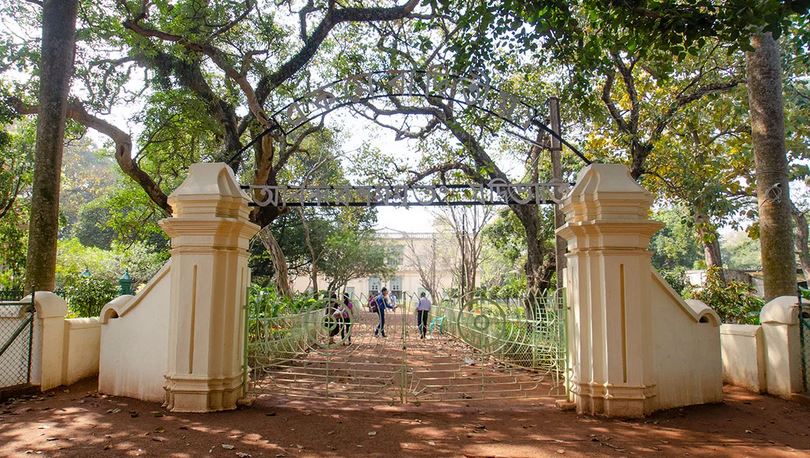
Some places don’t need loud introductions. They speak softly — through clay, color, silence, and stories. Nestled near Shantiniketan, Amar Kutir is one such place. It isn’t merely a tourist attraction; it’s an experience — a pause from the rush of modern life and a gentle reminder of Bengal’s artistic soul.
When travelers plan a visit to Shantiniketan, Visva-Bharati University, or search for the most meaningful places to visit in Bolpur, Amar Kutir often becomes the memory that stays longest — not because it is grand, but because it is real.
1. The Soul of Amar Kutir
Amar Kutir, meaning “My Cottage”, was born from a simple yet powerful idea — celebrating rural craftsmanship, self-reliance, and dignity of labor. Inspired by the philosophy of Rabindranath Tagore, it was envisioned as a space where art could empower livelihoods and preserve Bengal’s traditional crafts.
Walking through Amar Kutir feels like stepping into a living canvas — where creativity flows quietly, without urgency or spectacle.
2. A Walk Through Living Craft
- Artisans shaping clay with practiced, patient hands
- Handwoven fabrics dyed in earthy tones drying under open skies
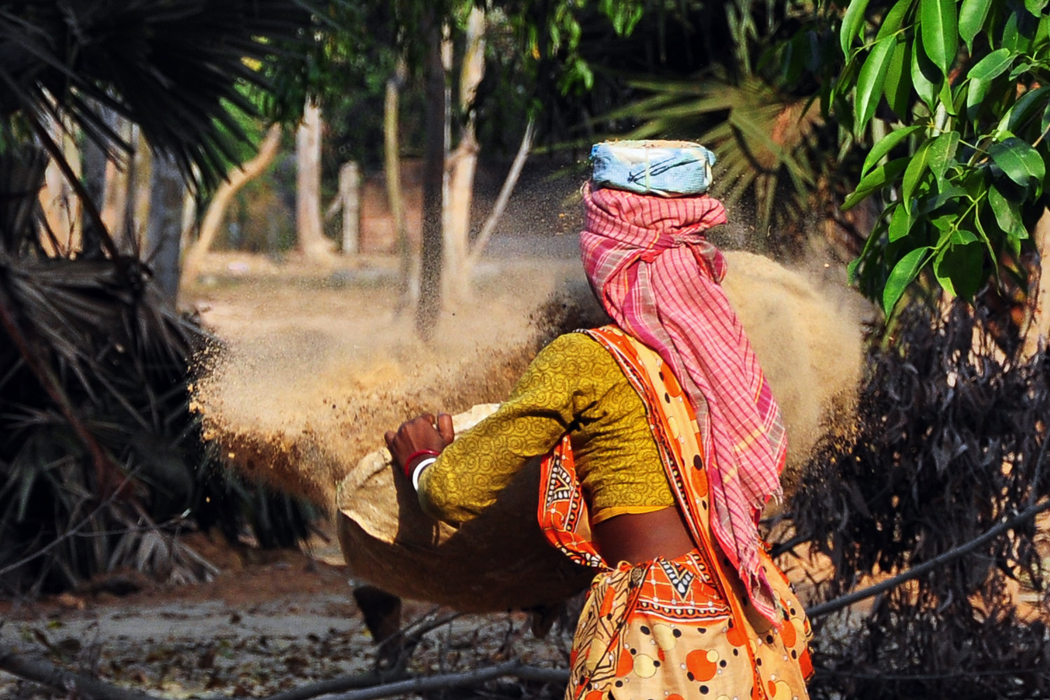
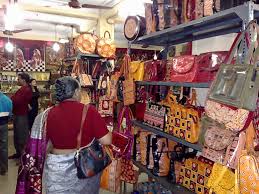
- Leather, dokra, batik, and woodcraft — each piece telling a quiet story
- No hurry, no noise — only rhythm, focus, and authenticity
Amar Kutir doesn’t try to impress. It simply exists — and that honesty is what makes it unforgettable.
3. Why Amar Kutir Feels Different
Shantiniketan has many places to visit, but Amar Kutir feels different because it connects you to people, not just locations. Here, you don’t just buy a souvenir — you understand it. You don’t rush — you slow down.
That is why Amar Kutir remains one of the most meaningful places to visit in Bolpur, especially for travelers who seek more than photographs — those who want connection, culture, and calm.
4. History and Philosophy
Established during India’s freedom movement, Amar Kutir emerged as a powerful expression of the ideals of self-sufficiency and village-based industries that shaped the nation’s cultural awakening. Inspired by the vision of Mahatma Gandhi and Rabindranath Tagore, it was created to empower rural artisans by preserving traditional crafts and providing sustainable livelihoods rooted in local skills.
Over the decades, Amar Kutir has evolved into much more than a craft hub — it stands as a living symbol of Bengal’s cultural resilience and artistic continuity. From handwoven textiles and terracotta art to leatherwork and batik prints, every creation reflects generations of knowledge passed down with care and pride.
Even in a rapidly modernizing world, Amar Kutir proves that tradition does not fade when it is nurtured. Instead, it adapts, thrives, and continues to inspire — reminding visitors that cultural heritage, when respected, remains timeless and relevant.
5. What You Can Do at Amar Kutir
- Explore Handicrafts: Browse a wide range of authentic Bengali handicrafts including leather bags and wallets, batik-printed fabrics, dokra metal art, terracotta sculptures, jute products, and bamboo items — each crafted by skilled local artisans.
- Meet the Artisans: Watch craftsmen and women at work in their workshops, observe traditional techniques passed down through generations, and listen to the personal stories behind every handmade creation.
- Experience Slow Travel: Wander through the shaded pathways without a fixed plan, allowing curiosity, conversation, and quiet moments to shape your journey.
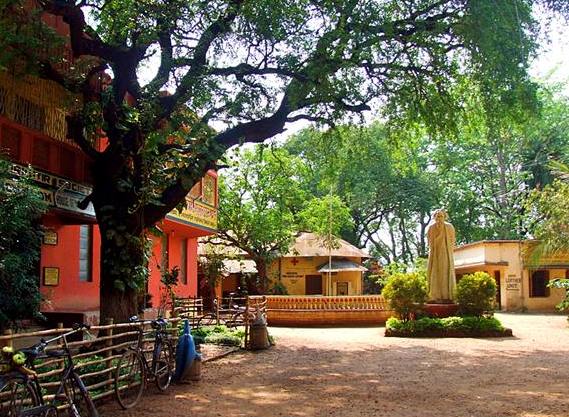
- Photography & Visual Storytelling: Capture earthy textures, natural colors, and warm sunlight filtering through trees — along with candid human moments that make Amar Kutir a photographer’s delight.
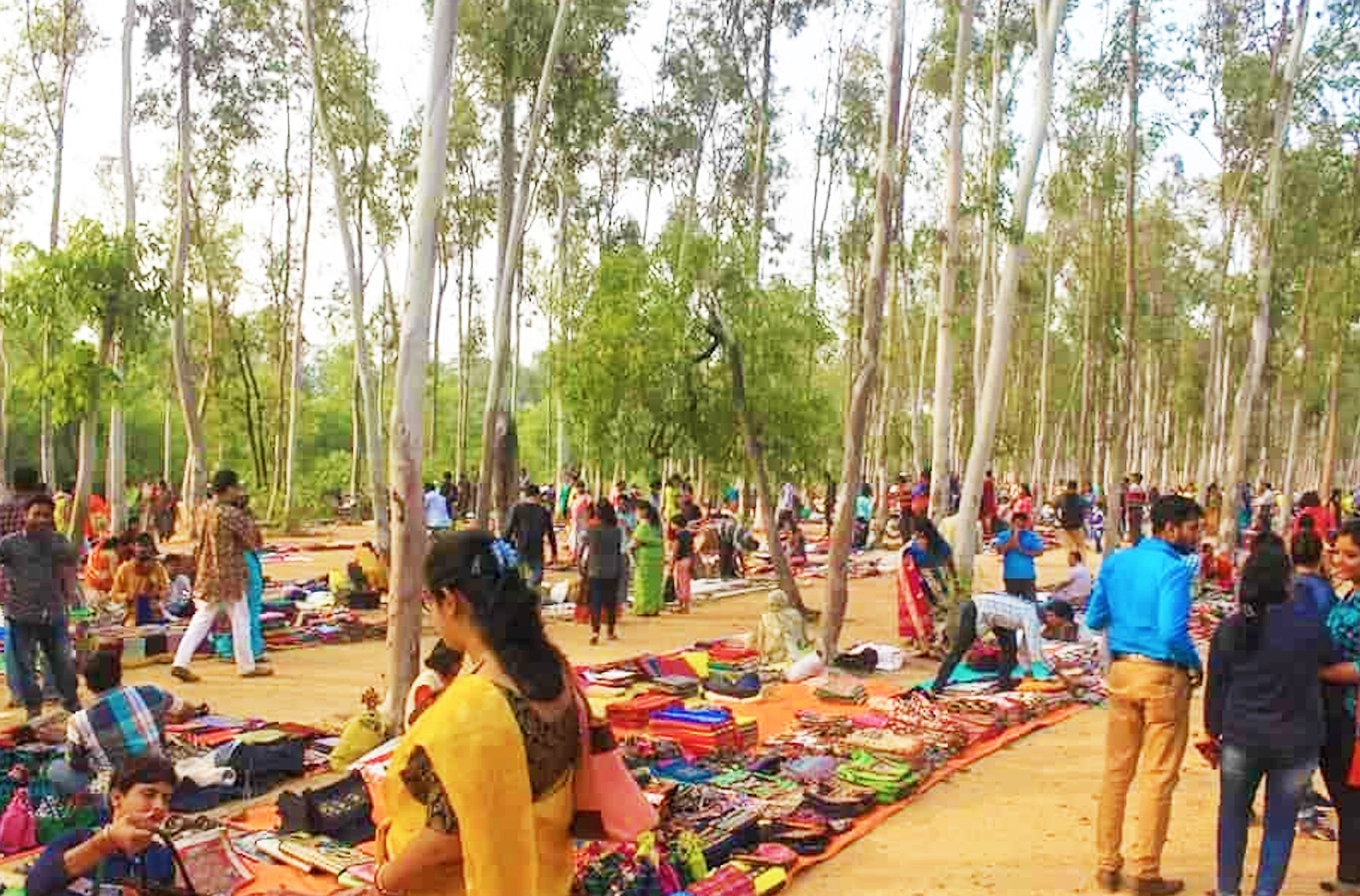
- Cultural Immersion: Enrich your visit by combining it with Sonajhuri Haat, local Baul music performances, folk art displays, and seasonal cultural events.
- Attend Craft Demonstrations: Some workshops offer live demonstrations where you can see the step-by-step process behind traditional crafts.
- Shop Meaningfully: Purchase handmade souvenirs directly from artisans, ensuring ethical shopping and fair support for rural livelihoods.
- Interact & Learn: Ask questions about materials, techniques, and cultural symbolism — artisans are often happy to share their knowledge.
- Relax & Reflect: Sit under shaded trees or open courtyards and absorb the calm, creative atmosphere that defines Amar Kutir.
- Combine With Nearby Cafés: End your visit with tea or a meal at nearby cafés around Santiniketan for a complete slow-living experience.
6. Best Time to Visit
Amar Kutir can be visited year-round, but the most pleasant months are between October and February. Winter brings cultural festivals, cool weather, and a lively yet relaxed atmosphere. Morning and late afternoon visits are ideal for a peaceful experience.
7. Getting There
Amar Kutir is located just a few kilometers from Bolpur Shantiniketan Railway Station. Auto-rickshaws, e-rickshaws, and cycle rickshaws are easily available. It is often visited along with Sonajhuri Forest and Amar Kutir.
8. Nearby Attractions
- Sonajhuri Haat: A lively weekend craft fair set amidst red soil and sal forests, featuring handmade jewelry, textiles, folk art, Baul music performances, and local street food that captures Santiniketan’s rustic charm.
- Visva-Bharati University: Founded by Rabindranath Tagore, this iconic institution reflects his philosophy of learning in harmony with nature, with open-air classrooms, heritage buildings, and a deeply artistic campus.
- Kala Bhavana: The renowned art faculty of Visva-Bharati, known for nurturing generations of artists and preserving Bengal’s modern art movement through murals, studios, and exhibitions.
- Ballavpur Wildlife Sanctuary: Also known as Deer Park, this serene forest reserve is ideal for nature walks, birdwatching, and spotting deer in a calm, green environment close to town.
- Uttarayan Complex: A cluster of heritage houses once occupied by Rabindranath Tagore, now preserved as museums displaying manuscripts, paintings, and personal artifacts.
- Amar Kutir Craft Village: Just a short walk away, explore the heart of rural craftsmanship and interact with local artisans creating traditional handmade goods.
- Kopai River: A tranquil riverside spot mentioned in Tagore’s works, perfect for quiet reflection, sunset walks, and photography.
- Khoai Landscape: A unique laterite terrain near Santiniketan, best visited during golden hours for dramatic scenery and nature photography.
9. Responsible Shopping & Travel
Buying from Amar Kutir directly supports local artisans and keeps traditional crafts alive. Avoid bargaining excessively, respect the creative process, and take only memories — leaving behind nothing but appreciation.
10. Why Amar Kutir Stays With You
Amar Kutir doesn’t overwhelm you — it grounds you. In a world that constantly urges us to move faster and consume more, this quiet corner of Shantiniketan gently invites you to slow down, observe, and truly feel your surroundings. The rhythmic sounds of handlooms, the earthy scent of clay, and the warm smiles of artisans create an experience that feels deeply human and timeless.
More than just a craft village, Amar Kutir reflects Rabindranath Tagore’s vision of self-reliance, creativity, and harmony between people and nature. Every handmade object carries a story, every pathway echoes with tradition, and every moment spent here feels unhurried and meaningful.
Long after you leave Shantiniketan, it’s not just the souvenirs you remember — it’s the calm, the connection, and the quiet inspiration that lingers. Amar Kutir stays with you because it reminds you of a simpler, more thoughtful way of living — something we all need to return to, again and again.
Shantiniketan: More Than a Destination
Shantiniketan has always been about balance — between nature and learning, simplicity and creativity. Visitors arrive to explore Visva-Bharati University, attend cultural programs, or simply breathe in the quiet calm that the town naturally offers.
Amar Kutir fits effortlessly into this rhythm. It doesn’t demand attention — it earns it. And when the day winds down — when your feet are tired but your heart feels full — what you need most is a place that lets you rest without breaking the mood.
Finding the Right Place to Stay in Bolpur
Most travelers searching for the right stay in Bolpur look for a few simple things:
- Comfort without chaos
- Easy access to Shantiniketan’s key cultural spots
- A peaceful environment after long walks and exploration
After spending time in places like Amar Kutir, staying somewhere loud or crowded feels out of place. A calm, thoughtfully designed stay allows the experience of Shantiniketan to linger a little longer.
Where the Day Gently Comes to a Close
Not far from the cultural heart of Bolpur, The Pearl Club Resort offers exactly that sense of calm many travelers seek — without trying to overpower the journey.
Watch this short video capturing the serene beauty of Amar Kutir:
After a day of art, culture, and exploration, guests often appreciate:
- Quiet surroundings
- Comfortable, spacious rooms
- Easy connectivity to Amar Kutir and Shantiniketan
- A feeling of ease rather than formality
It becomes less about where you stayed and more about how rested you felt.
A Slower, More Meaningful Way to Travel
Traveling to Shantiniketan isn’t about ticking places off a list. It’s about absorbing moments — watching the light change, hearing folk songs in the distance, and noticing details you’d usually miss.
When your stay supports that rhythm, the journey feels complete. That’s why many travelers exploring the best tourist places in West Bengal choose stays that respect the mood of the destination rather than distract from it.
Why Amar Kutir Stays With You
Long after the trip ends, Amar Kutir remains — not as a memory of shops or crafts, but as a feeling of simplicity, creativity, and calm. And when paired with a peaceful stay nearby, the experience feels unhurried, balanced, and deeply personal.